
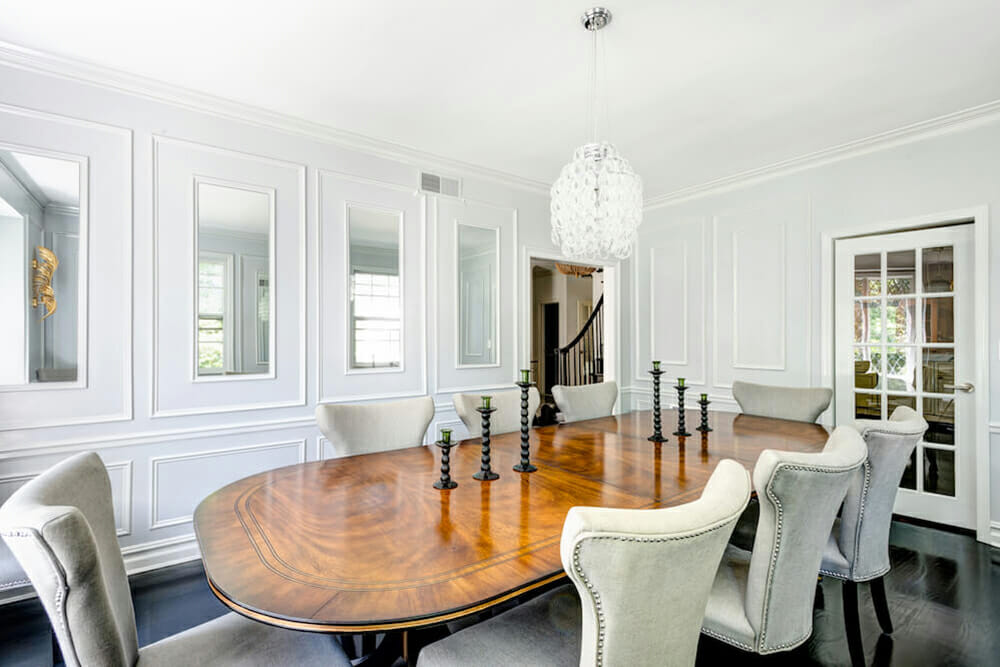

Thai homes deal with heat, high humidity and heavy monsoon rain for much of the year. Timber trim can swell, warp and attract termites. Plaster cornices can crack, chip or stain over time. Polyurethane molding (known as บัวโพลี in Thai) offers a lighter, more stable alternative for cornices, ceiling roses, door surrounds, skirting and wall panels.
Not all products perform the same way. Density, profile, finish and installation method all affect how polyurethane molding looks and lasts in your space. A low-cost option may save money upfront but show defects within a few rainy seasons.
This guide covers the main points to check before you buy polyurethane molding for a detached house, townhouse or condominium in Thailand.
Check the Density
Density determines strength and detail. High-density moulding holds sharp edges and fine patterns, and it resists dents during installation and daily use. Low-density material feels lighter and softer, and it can lose detail when painted.
Press the surface with your thumbnail. A quality piece should not mark easily. Ask for the density rating if it is not listed.
Think About Humidity and Ventilation
Polyurethane does not absorb water like timber or gypsum, which makes it well suited to Thai conditions. It will not rot, and termites do not feed on it. However, poor ventilation can still cause mould growth on painted surfaces.
Use moulding in bathrooms, kitchens and covered terraces with confidence, but keep air moving. Choose a mould-resistant paint for wet areas.
Match the Profile to Your Architecture
Choose a design that suits the style of your home. Common options include:
- Modern condominiums: clean, flat profiles and simple cornices
- Contemporary Thai houses: subtle panels with soft curves
- Classic or European-style villas: ornate cornices, ceiling medallions and column capitals
- Traditional Thai-inspired interiors: floral or Lai Thai motifs on door frames and wall panels
Avoid mixing too many styles in one room. Keep profiles consistent throughout connected spaces.
Measure Scale and Proportion
Size matters. Large, deep cornices suit high ceilings of three metres or more. Standard condominium ceilings, often around 2.6 metres, look better with slimmer profiles.
Measure ceiling height and wall length before ordering. Add 10 to 15 per cent extra to cover cuts and corner joints.
Plan the Finish
Most polyurethane moulding arrives primed and ready to paint. Use acrylic or water-based paint. Avoid solvent-heavy products, as they can damage the surface.
For gold or metallic accents, popular in many Thai homes, apply a base coat first. Test colour on an offcut before painting full lengths.
Review Installation Requirements
Polyurethane is light, so most pieces fix with construction adhesive alone. Heavier sections may need finishing nails or screws for support.
Check that walls and ceilings are clean, dry and level. Seal joints with flexible acrylic filler to allow for minor movement caused by temperature changes. Thai homes can see large shifts between air-conditioned interiors and outdoor heat, so flexible joints help prevent cracks.
Choose polyurethane moulding based on density, climate performance, design style and correct sizing. Measure carefully, plan the finish and prepare surfaces properly. These steps help you achieve a durable, attractive result that suits Thai living conditions for years to come.
Comments are closed.