
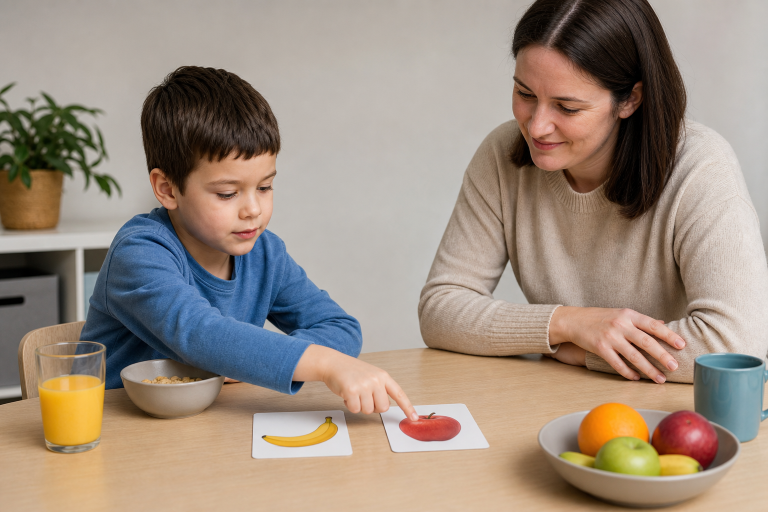

Communication and independence can develop through everyday experiences when children receive clear guidance, encouragement, and consistent opportunities to participate. Simple activities at home can create natural moments for children to express their needs, make decisions, complete tasks, and interact with others. Structured support can make these opportunities more purposeful while allowing activities to be adapted to a child’s abilities and developmental needs.
Building Communication into Everyday Activities
Everyday routines can provide frequent opportunities to encourage communication. Mealtimes, play, getting dressed, preparing for school, and organizing belongings can all involve simple conversations and requests. At an ABA Clinic, structured approaches may also focus on creating practical communication opportunities that relate to a child’s daily experiences.
Parents can encourage children to communicate by asking simple questions, offering opportunities to request items, and allowing enough time for responses. Communication does not always need to involve lengthy conversations. Pointing, gestures, sounds, words, or other forms of expression can provide meaningful ways for children to communicate.
Encouraging Children to Make Choices
Offering appropriate choices can help children develop confidence and become more involved in everyday activities. Parents might allow a child to choose between two clothing options, select a snack, decide which activity to complete first, or pick a book for reading time.
Choices should remain manageable and appropriate for the child’s age and abilities. Providing too many options at once can make a decision difficult. Simple alternatives can give children a clear opportunity to express preferences while learning that their decisions can influence everyday activities.
Developing Everyday Living Skills
Daily routines offer practical opportunities to develop independence. Tasks such as brushing teeth, putting away toys, washing hands, preparing simple foods, or organizing personal belongings can be divided into smaller steps. Children can practice individual parts of a task before gradually taking responsibility for more of the process.
Parents can provide assistance when necessary and reduce that assistance as a child becomes more confident. The goal is not necessarily to complete every task without help immediately, but to create regular opportunities for participation and gradual improvement.
Supporting Social Interaction
Social skills can be encouraged through ordinary interactions with family members, classmates, siblings, and other familiar people. Activities involving turn-taking, sharing, greetings, listening, and responding can help children become more comfortable with social situations.
Play can be particularly useful because it provides opportunities to practice interaction in an enjoyable setting. Parents can model appropriate communication, encourage children to respond to others, and provide gentle guidance when social situations become challenging.
Reinforcing Skills Through Consistent Routines
Consistency can help children recognize expectations and apply developing skills across different situations. Repeating familiar routines at similar times can provide structure while giving children regular opportunities to practice communication and daily living abilities.
Positive reinforcement can also encourage continued participation. Praise, encouragement, access to a preferred activity, or recognition of an effort can acknowledge progress. As children develop, routines can gradually become more flexible while maintaining familiar expectations.
Regular communication between parents, caregivers, and professionals can further support consistency. Sharing observations about progress and challenges can help adults coordinate their approach and create meaningful opportunities for children to strengthen communication, social participation, daily living skills, and independence.
Comments are closed.