
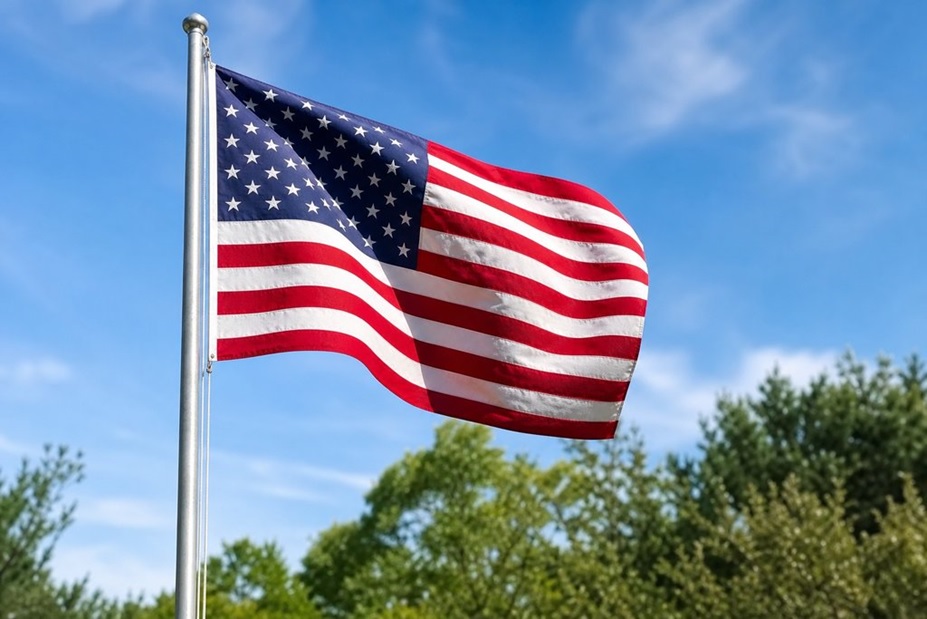

A flag represents much more than a piece of cloth and can symbolize a season, cause, organization, or even your own personal style. Choosing the right flag for your home, business or organization can add a sense of pride and unity, but with so many flag options available for purchase online, how do you pick the right one? Keep these tips in mind when browsing an online flag store to make sure you’re getting the most out of your purchase.
Matching the Flag to Its Setting
The first step in buying a flag is to consider where and how you’ll be displaying it. Will you be hanging it from your porch, flying it from a flagpole outside your business, displaying it in a parade or using it at a special event at your school or place of worship? Each of these situations calls for a slightly different approach, so think about where your flag will be most visible and what kind of impression you’d like it to make.
Most residential flagpoles work best with a standard flag size of 3 by 5 feet, but you may want to consider larger or smaller flags depending on your specific situation. A flag that’s too small for your building façade or yard won’t be as noticeable, while an extra-large flag may dwarf a smaller entryway or display area. Other questions to ask yourself when deciding on a flag size include:
- How far away will most viewers be standing from the flag?
- Will you be flying the flag freely or displaying it up against a wall?
- Will you be displaying the flag on a regular basis or only for special occasions?
- Are there other elements in the area (landscaping, other signs or banners, etc.) that will affect how big or small the flag appears?
What Materials and Designs Work Best?

Flags intended for indoor display, whether mounted on a wall, attached to a stand or flown from a decorative staff, are usually more formal in nature than outdoor flags, which are designed to withstand the elements. If you’ll be flying your flag outside, make sure there’s plenty of room for it to move freely and that it won’t get tangled in nearby branches, fences, or other objects.
Not all flags are created equally. Lighter flag materials flutter nicely in the breeze, making them a good choice if you’re looking for a flag that flies well. Heavier flag materials have a more substantial feel and may hold up better with frequent or long-term use. If you’ll be flying your flag outside often, look for high-quality stitching, reinforced hems, and strong grommets or other attachment points to ensure your flag stands up to frequent use and exposure to the elements.
Embroidered flags often have a more dimensional, textured look than printed flags, making them a popular choice for ceremonial uses. On the other hand, printed flags use textile-printing methods to capture intricate images and designs that would be difficult or impossible to recreate with embroidery, making them a strong choice when you want a specific image or message.
You can compare Ultimate Flags – Online Flag Store with another provider while sorting through those themes, then return to the viewing-distance question. When choosing a flag design, keep in mind the questions you answered earlier about how and where you’ll be displaying your flag. Will most viewers be up close or at a distance?
Hardware and Long-Term Care
When shopping for flags, don’t forget about flagpole hardware! Before ordering a flag, make sure you have everything you need to display it. If you’ll be flying your flag on a flagpole, make sure your flag has a header sleeve wide enough to fit comfortably over your flagpole, or make sure your flagpole has brackets or clips to secure flags with grommets.
If you’ll be displaying your flag indoors, make sure you have the proper hardware to hang your flag flat against a wall or to attach your flag to a decorative staff if your flag has attachment tabs or ties. Keep in mind, not all flagpoles and brackets are created equal either. If you’re planning to fly a flag made from a heavier-weight material, or if you live in an especially windy area, make sure your flagpole and any additional hardware will stand up to the additional stress.
If you fly your flag outside frequently, check it periodically to make sure the stitching is holding up and the material isn’t fraying, and store your flag indoors when it isn’t in use to help it last longer. Take special care to make sure your flag is dry before storing it, to avoid mildew and other moisture-related problems.
Rather than stuffing your flag into a drawer or storage box where it may get crushed and develop permanent creases, roll or loosely fold your flag for storage, and consider labeling storage containers for holiday and event-themed flags to make it easier to find what you’re looking for next time you’re ready to decorate.
Comments are closed.