
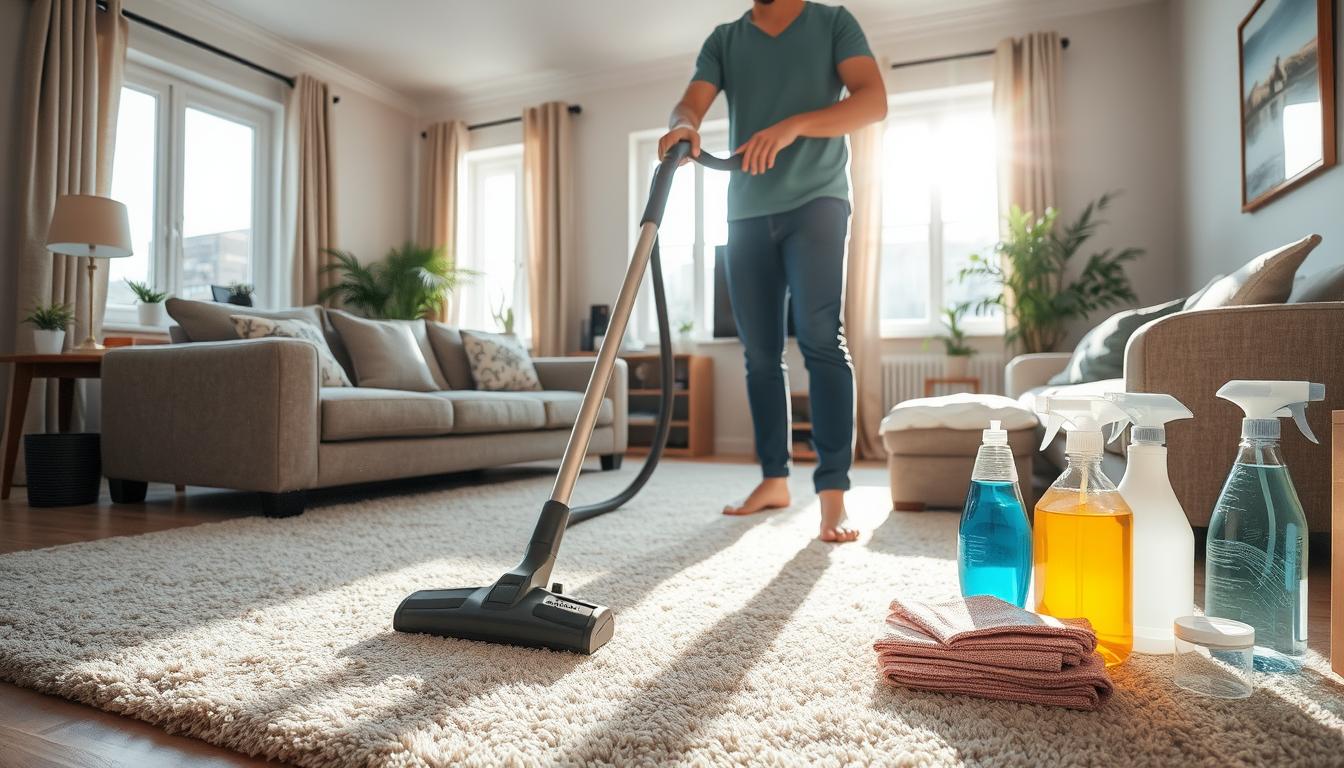

Maintaining a clean home is about more than just visual appeal; it directly impacts mental well-being, physical health, and the lifespan of household surfaces. However, for many people, cleaning feels like an endless cycle of trial and error. Without a systematic approach, it is easy to waste time, use the wrong products, and inadvertently damage finishes.
To achieve a truly pristine living space efficiently, you must understand the science of cleaning, establish a logical workflow, and utilize the correct techniques for different surfaces.
The Core Principles of Efficient Cleaning
Professional cleaners rely on systems rather than spontaneity. By adopting a structured methodology, you can cut your cleaning time in half while achieving superior results.
Top-to-Bottom, Back-to-Left
Always start cleaning from the highest point in a room and work your way down. Gravity ensures that dust, cobwebs, and debris fall to the floor. If you vacuum or wipe baseboards before dusting ceiling fans and shelves, you will have to repeat your work. Similarly, work from the back corner of a room toward the exit, moving from left to right. This systematic approach ensures that no square inch is missed and prevents you from tracking dirt across a freshly cleaned floor.
Understanding Dwell Time
One of the most common cleaning mistakes is spraying a disinfectant or cleaner and immediately wiping it away. Most chemical cleaners require dwell time to effectively break down grease, mineral deposits, or pathogens. Read product labels to determine how long a solution must remain wet on a surface to work efficiently. Utilizing dwell time allows the chemicals to do the heavy lifting, reducing the need for aggressive scrubbing that can scratch surfaces.
Dry Work Before Wet Work
Always remove loose dust, hair, and crumbs before introducing liquid cleaners. When liquid mixes with dry dust, it creates mud, which is significantly harder to clean and smears across surfaces. Dust, vacuum, and sweep thoroughly before reaching for a wet cloth, mop, or spray bottle.
Essential Supplies and Tools
Using the right tools prevents surface damage and maximizes efficiency. A well-stocked cleaning caddy eliminates unnecessary trips across the house.
-
Microfiber Cloths: Unlike cotton rags or paper towels, microfiber split fibers trap dust and bacteria rather than pushing them around. They are highly absorbent and lint-free.
-
Extendable Duster: Essential for reaching ceiling fans, crown molding, and high light fixtures without using a ladder.
-
Scrub Brushes: Keep a variety of sizes on hand, including a stiff-bristled brush for tile grout and a non-scratch nylon sponge for delicate surfaces.
-
Squeegee: The most effective tool for preventing water spots and soap scum on glass shower doors and windows.
-
Vacuum Cleaner with Attachments: A high-quality vacuum with a HEPA filter is necessary for carpets, upholstery, and hard-to-reach crevices.
Room-by-Room Cleaning Deep Dive
Different areas of the home present unique cleaning challenges based on usage and surface materials.
The Kitchen: Degreasing and Sanitizing
The kitchen requires a balance of degreasing baked-on organic matter and sanitizing surfaces that come into contact with food.
-
Stovetops and Ovens: Apply a heavy-duty degreaser or a paste of baking soda and water to baked-on grease. Allow it to sit for twenty minutes. Use a non-scratch scrubbing pad to lift the softened residue.
-
Countertops: Granite, quartz, and laminate require different care. Avoid acidic cleaners like vinegar or lemon juice on natural stone, as they can cause etching. Use a pH-neutral cleaner and a microfiber cloth instead.
-
Sinks: Kitchen sinks harbor high amounts of bacteria. Clean the basin with a mild abrasive cleanser, rinse thoroughly, and sanitize with an EPA-registered disinfectant. Pay special attention to the faucet aerator and the garbage disposal, which can be freshened by grinding ice cubes and citrus peels.
The Bathroom: Eradicating Soap Scum and Mold
Bathrooms suffer from high humidity, leading to mineral buildup and mold growth.
-
Showers and Tubs: Spray an acidic cleaner designed to dissolve calcium, lime, and rust. Let it dwell for ten minutes before scrubbing. For grout lines, use a dedicated grout brush and an oxygen bleach solution to remove discoloration without damaging the structural integrity of the grout.
-
Toilets: Put toilet bowl cleaner under the rim and let it run down into the bowl. Let it sit while you wipe down the exterior of the toilet, starting from the flush handle and moving down to the base. Use a stiff toilet brush to scrub the interior bowl before flushing.
-
Mirrors: Spray glass cleaner sparingly onto a microfiber cloth rather than directly onto the mirror to prevent the liquid from seeping behind the silver backing, which causes black edges over time. Wipe in a Z-shaped motion.
Living Areas and Bedrooms: Dust Control and Air Quality
These spaces focus primarily on managing dust mites, pet dander, and allergens.
-
Upholstery: Vacuum sofas and chairs using the upholstery attachment. Launder removable cushion covers according to manufacturer instructions.
-
Mattresses: Vacuum the mattress surface thoroughly. To deodorize, sprinkle a thin layer of baking soda across the mattress, let it sit for one hour to absorb oils and odors, and then vacuum it off completely.
-
Electronics: Television screens and monitors should never be sprayed with liquid. Use a dry microfiber cloth, or a cloth slightly dampened with distilled water if necessary, to gently remove fingerprints.
Floor Care Mastery
Flooring represents a significant financial investment in a home, and improper cleaning can ruin finishes permanently.
Hardwood Floors
Excessive moisture is the primary enemy of hardwood. Never use a dripping wet mop. Instead, use a damp microfiber mop and a dedicated wood cleaner. Avoid harsh detergents, ammonia, or vinegar, which strip away the protective polyurethane coating and dull the finish over time.
Carpets and Rugs
Vacuum carpets at least twice a week in high-traffic areas. When spills occur, blot them immediately with a clean, white cloth. Never rub a stain, as this pushes the pigment deeper into the carpet fibers and distorts the pile. Work from the outside of the stain inward to prevent spreading.
Tile and Grout
Ceramic and porcelain tile are highly durable, but grout is porous and prone to staining. Mop tile floors with a neutral cleaner. Change the mop water frequently; otherwise, you are simply redistributing dirty water into the low-lying grout lines.
Frequently Asked Questions
What is the difference between cleaning, sanitizing, and disinfecting?
Cleaning involves physically removing dirt, debris, and organic matter from surfaces, usually with soap and water. This process reduces the number of germs but does not necessarily kill them. Sanitizing lowers the number of germs to safe levels according to public health standards. Disinfecting uses chemicals to actively kill pathogens on surfaces, which is critical for high-touch areas during cold and flu season.
How often should I wash my bed sheets and pillowcases?
Bed linens should be washed once a week, or at minimum every two weeks. Sheets accumulate dead skin cells, body oils, sweat, and dust mites. Washing them regularly in hot water helps control allergens and maintains skin health.
Why do my windows look streaky after I clean them?
Streaks are usually caused by cleaning windows while they are warm or exposed to direct sunlight, which causes the cleaning solution to evaporate too quickly before it can be wiped away. Residual soap from previous cleanings can also cause streaking. For best results, clean windows on a cloudy day using a minimal amount of product and a squeegee.
Can I mix bleach and ammonia for a stronger cleaning solution?
No, you should never mix bleach and ammonia. Combining these two chemicals creates toxic chloramine gas, which can cause severe respiratory distress, eye irritation, and other serious health complications. Always use cleaning products independently and ensure the space is well-ventilated.
How do I eliminate persistent odors from a front-loading washing machine?
Front-loading machines are prone to mold and mildew growth around the rubber door gasket due to trapped moisture. Wipe the rubber seal down after every wash cycle and leave the door ajar to allow the drum to dry. To remove existing odors, run an empty cycle on the hottest setting with a specialized washing machine cleaner or a cup of bleach.
How do I clean a microfiber cloth without ruining its effectiveness?
Wash microfiber cloths separately from standard cotton laundry, as microfiber will attract lint from other fabrics. Use a gentle detergent and avoid fabric softeners or bleach, which coat or destroy the split fibers and eliminate their electrostatic property. Air dry the cloths or tumble dry them on low heat without dryer sheets.
What is the best way to remove pet hair from upholstered furniture?
While vacuuming handles loose hair, stubborn pet hair often weaves into fabric fibers. To remove it efficiently, put on a clean rubber glove and run your hand across the upholstery. The friction creates static electricity, pulling the hair out of the fabric and into clumps that are easily collected.
Comments are closed.