

Yoga EditionFor many people, bikram yoga is first associated with flexibility, sweat, and physical endurance. What often goes unnoticed is how strongly the practice can influence anxiety levels, emotional regulation, and stress resilience. The real shift does not come from poses alone. It comes from how breath is managed under heat, pressure, and fatigue.
In Singapore, where long work hours, constant notifications, traffic, and climate intensity already keep the nervous system switched on, anxiety is rarely dramatic. It is usually subtle. Shallow breathing, tight jaw, restless sleep, racing thoughts at night, and the feeling of being busy even when resting. Heat based yoga creates a controlled environment where these patterns are brought to the surface and retrained, rather than avoided.
Anxiety is often a breathing pattern, not a mindset
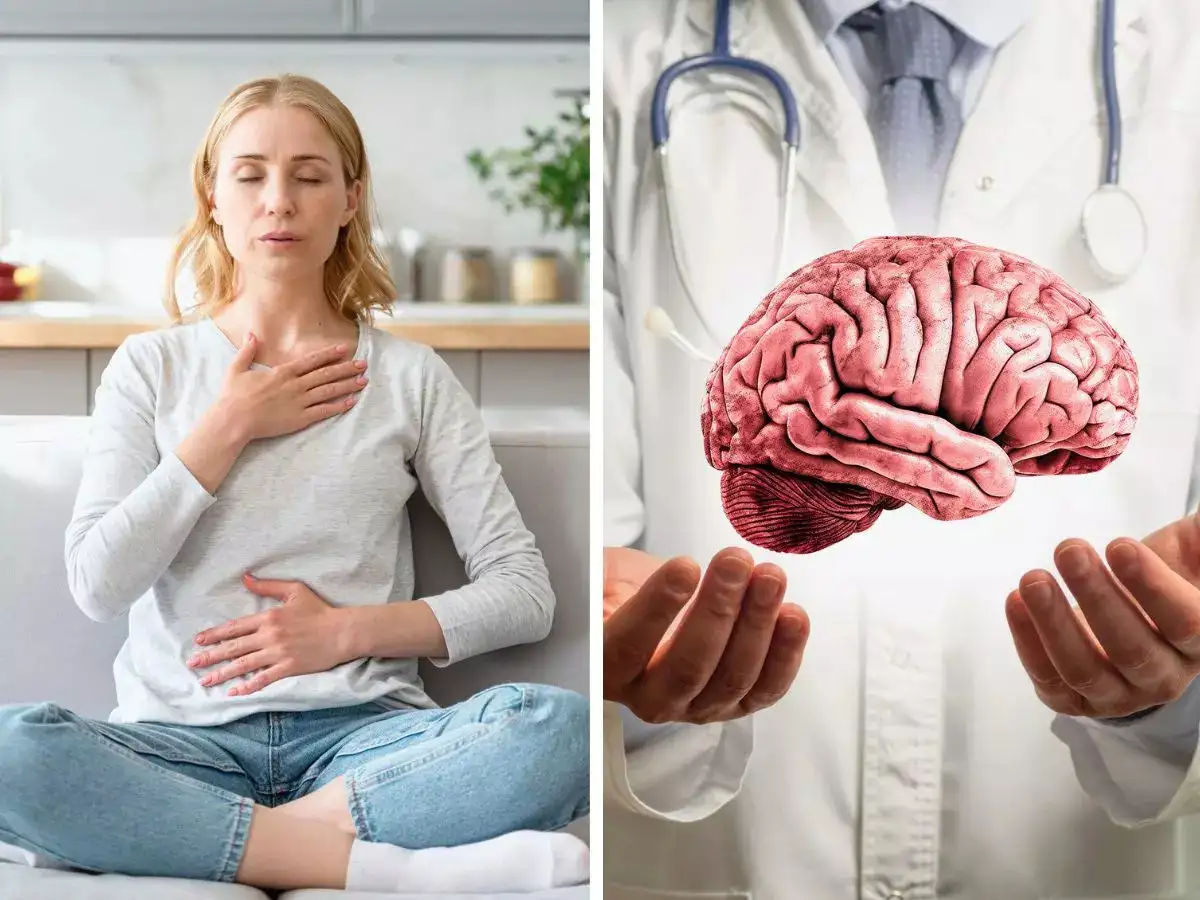
Anxiety is commonly discussed as a mental issue, but physiologically it is deeply connected to breathing. When breathing becomes shallow, fast, or held unconsciously, the body reads it as danger.
Common anxiety linked breathing habits include:
-
Chest breathing instead of belly breathing
-
Holding the breath during effort or stress
-
Rapid inhalations with incomplete exhalations
-
Mouth breathing during fatigue
-
Breath freezing during discomfort
These patterns activate the sympathetic nervous system, keeping the body in a mild fight or flight state. Over time, this becomes the default setting, even when no real threat exists.
Why heat amplifies breath awareness
Heat accelerates everything. Heart rate rises faster, sweat appears sooner, and discomfort becomes noticeable earlier. This is exactly why hot practice exposes breathing habits so clearly.
In a warm room:
-
Shallow breathing becomes obvious within minutes
-
Breath holding creates dizziness or panic sensations
-
Over effort leads quickly to overwhelm
-
Calm breathing produces immediate relief
Because the feedback is instant, the body learns faster. You are not thinking your way out of anxiety. You are breathing your way through it.
The nervous system under controlled stress
Anxiety often develops when stress feels unpredictable or overwhelming. Hot practice offers the opposite. Stress is present, but controlled.
Key elements that make this effective:
-
You know the class length
-
You know the sequence
-
The environment is consistent
-
You can stop at any time
-
Recovery is always available
This allows the nervous system to experience intensity without threat. Over time, this trains a powerful response: staying calm while uncomfortable.
Breath control in standing series
The standing series is where anxiety patterns often appear first. Balance challenges, heat build up, and muscular fatigue combine quickly.
What usually happens at first
-
Breath becomes fast and shallow
-
Jaw tightens
-
Shoulders rise
-
Focus narrows
-
Thoughts spiral into comparison or panic
This is not failure. It is information.
What changes with practice
With repetition, practitioners begin to:
-
Slow the exhale intentionally
-
Relax the jaw even while legs work
-
Breathe through the nose longer
-
Accept wobbling without panic
-
Stay present instead of escaping mentally
This is breath based anxiety training. The body learns that discomfort does not equal danger.
Exhalation is the anxiety switch
Most people focus on inhaling deeply. For anxiety relief, the exhale matters more.
A longer, softer exhale:
-
Signals safety to the nervous system
-
Reduces heart rate
-
Calms racing thoughts
-
Releases muscular tension
-
Improves emotional regulation
In heat, exhalation becomes even more important. Without it, the body feels trapped and overwhelmed. With it, intensity becomes manageable.
Simple cues many experienced practitioners use:
-
Exhale longer than you inhale
-
Imagine fogging a mirror gently
-
Let the belly soften on the exhale
-
Relax the tongue and throat
-
Allow soundless breathing rather than forced control
Floor series and emotional release
Anxiety is not only cognitive. It is stored in the body. Hips, spine, and abdomen are common holding areas.
During floor series, many people experience:
-
Sudden waves of emotion
-
Unexpected tears
-
Irritability followed by calm
-
Deep fatigue followed by clarity
-
A sense of relief without explanation
This happens because the breath slows naturally when lying down. Combined with heat, the parasympathetic system begins to dominate.
Rather than suppressing these responses, experienced practitioners allow them. Emotional regulation improves not by control, but by tolerance.
Heat tolerance and panic tolerance overlap
Panic attacks are often described as heat sensations, racing heart, breathlessness, dizziness, and the urge to escape. Hot yoga recreates similar sensations in a safe environment.
Over time, this rewires the fear response:
-
Racing heart becomes familiar rather than alarming
-
Sweat is interpreted as exertion, not danger
-
Breathlessness is managed rather than feared
-
The urge to escape is replaced with grounding
This does not mean hot yoga replaces therapy or medical care. It means it can support the nervous system’s capacity to stay present during stress.
Consistency matters more than intensity
Anxiety relief does not come from heroic sessions. It comes from repetition.
Effective frequency for nervous system benefits:
-
Two to three sessions per week
-
Consistent time slots
-
Moderate effort rather than max effort
-
Focus on breath rather than depth
Overdoing heat or forcing intensity can backfire, especially for those already stressed. The goal is regulation, not exhaustion.
Daily life benefits outside the studio
People who practise breath control under heat often notice subtle changes in daily life:
-
Slower breathing during meetings
-
Less reactivity during conflict
-
Improved sleep onset
-
Fewer stress driven cravings
-
Clearer decision making under pressure
These changes happen gradually. They are noticed most during moments that used to trigger anxiety.
Supporting anxiety relief outside class
Hot practice works best when supported by basic habits.
Helpful strategies include:
-
Adequate hydration on training days
-
Reducing caffeine before class
-
Eating balanced meals rather than skipping food
-
Prioritising sleep after evening sessions
-
Avoiding screens immediately after class
An anxious nervous system needs recovery as much as stimulation.
Building a long term nervous system routine
Anxiety relief improves when practice becomes part of identity rather than a tool used only during crisis.
Long term practitioners often:
-
Attend the same weekly classes
-
Sit in similar spots in the room
-
Track how breath responds rather than how deep poses look
-
Use class as mental training, not just fitness
When structure supports safety, the nervous system relaxes more deeply.
For those seeking a stable, predictable environment to build this kind of breath based resilience, many practitioners find long term consistency easier when training at Yoga Edition, where routine and pacing support nervous system adaptation rather than overwhelm.
Meaningful, real-life FAQ
Q: Can hot yoga make anxiety worse at first?
A: Yes, especially in the beginning. Heat can amplify existing breathing patterns, which may feel uncomfortable. This usually improves as breath awareness and pacing develop. If anxiety feels overwhelming, take breaks, lie down, or leave the room without judgment.
Q: Should I focus on breathing techniques during class?
A: Keep it simple. Avoid complex techniques. Focus on slow nasal breathing and longer exhalations. Over controlling the breath can increase anxiety rather than reduce it.
Q: Is it normal to feel emotional during or after class?
A: Yes. Emotional release is common, especially during floor series. This is a normal nervous system response to release and regulation, not a sign of weakness.
Q: How long does it take to notice anxiety related benefits?
A: Some people feel calmer after a few sessions. Deeper, more stable changes usually appear after several weeks of consistent practice.
Q: Can I practise if I am already feeling anxious that day?
A: Often yes, but adjust expectations. Use the class as regulation practice rather than performance. Focus on breath and take breaks early if needed.
Q: Is hot yoga suitable for people with panic disorder?
A: It can be helpful for some, but it should be approached cautiously. Start slowly, prioritise pacing, and consult a healthcare professional if panic symptoms are severe or unpredictable.
Q: What if I cannot breathe through my nose in the heat?
A: Nasal breathing is ideal but not mandatory. If congestion or fatigue makes it difficult, breathe gently through the mouth without forcing depth or speed. Over time, nasal tolerance often improves naturally.
Comments are closed.