
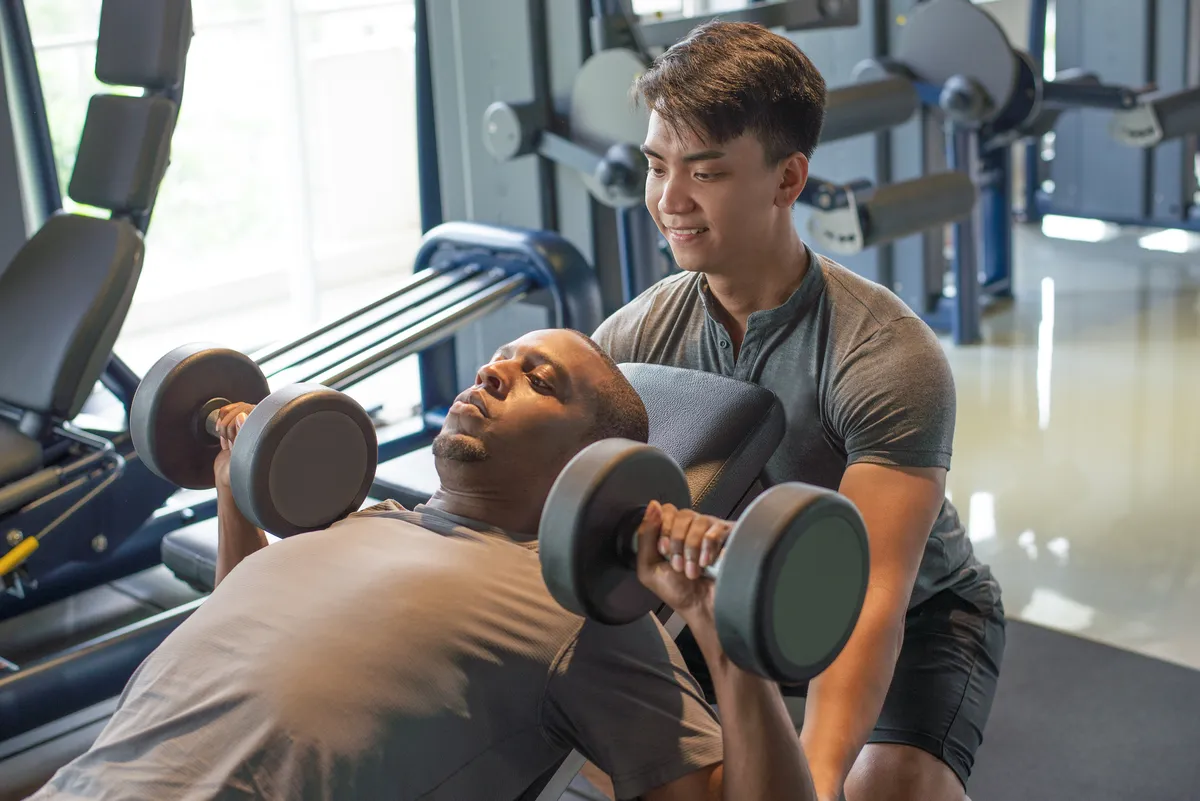

Long hours at a desk, constant phone use, and sedentary routines have quietly reshaped how people move in daily life. Rounded shoulders, stiff hips, neck tension, and recurring back discomfort are no longer limited to older adults. They now affect working professionals, students, and even active gym goers. Choosing a personal training gym singapore that focuses on posture correction through structured strength and movement retraining can change how the body feels and performs, not just how it looks.
A posture reset protocol is not about forcing the body into a rigid upright position. It is about restoring balance between muscles, joints, and movement patterns so posture improves naturally through strength, mobility, and awareness.
Why Posture Is a Movement Issue, Not a Standing Position
Posture is often misunderstood as a static pose. In reality, posture reflects how the body manages load throughout the day. Sitting, standing, walking, lifting, and even breathing contribute to postural habits.
Poor posture usually develops due to:
-
Prolonged sitting with limited movement variety
-
Weak or underused muscles failing to support alignment
-
Overactive muscles compensating for lack of stability
-
Reduced joint mobility limiting natural movement patterns
Correcting posture requires retraining how the body moves under load, not just stretching tight areas.
Common Postural Patterns Seen in Urban Lifestyles
Forward Head and Rounded Shoulders
Extended screen time encourages the head to drift forward while shoulders roll inward. This places strain on the neck, upper back, and shoulders, often leading to headaches and shoulder discomfort.
Anterior Pelvic Tilt
Long periods of sitting can shorten hip flexors and weaken glutes and deep core muscles. This alters pelvic alignment and increases lower back tension during standing and walking.
Limited Thoracic Mobility
A stiff upper spine reduces the ability to rotate and extend, forcing other areas such as the lower back or shoulders to compensate during movement.
A posture reset protocol identifies these patterns and addresses their root causes.
Assessment Before Correction Matters
Posture correction begins with understanding individual movement patterns rather than applying generic exercises.
Effective assessment considers:
-
How a person sits, stands, and walks
-
Breathing patterns during movement
-
Joint mobility in the hips, spine, and shoulders
-
Strength imbalances between muscle groups
This information guides exercise selection and progression.
Mobility as the Foundation of Posture Reset
Mobility restores access to joint ranges needed for healthy posture.
Restoring Hip Mobility
Restricted hips force the lower back to compensate during everyday tasks. Mobility work targets hip flexors, glutes, and rotational capacity to support better pelvic positioning.
Improving Thoracic Spine Movement
Upper back mobility allows the chest to open and shoulders to align naturally. This reduces neck strain and improves breathing efficiency.
Mobility work is intentional and controlled, not aggressive stretching.
Strength Training for Lasting Postural Change
Mobility alone does not hold posture. Strength builds the capacity to maintain alignment during real life activities.
Strengthening the Upper Back and Scapular Muscles
Strong upper back muscles support shoulder positioning and reduce neck tension. Rows, carries, and controlled pulling movements build endurance where it matters most.
Building Glute and Core Strength
Glutes and deep core muscles stabilise the pelvis and spine. Strengthening these areas supports standing posture, walking efficiency, and lifting mechanics.
Strength training is progressive and tailored to individual tolerance.
Breathing and Posture Are Closely Linked
Breathing patterns influence posture more than most people realise. Shallow chest breathing often accompanies poor posture, increasing neck and shoulder tension.
Diaphragmatic Breathing for Stability
Learning to breathe through the diaphragm supports core engagement and spinal stability. This reduces excessive tension in the upper body.
Coordinating Breath With Movement
Integrating breathing into exercises improves control and reduces unnecessary strain. This coordination carries into daily activities like lifting or prolonged sitting.
Integrating Posture Into Daily Movement
Posture reset protocols extend beyond the gym.
Key integration strategies include:
-
Sitting variations throughout the day
-
Standing breaks that include gentle movement
-
Conscious posture checks during screen use
-
Adjusting workstation height and screen position
These habits reinforce training adaptations.
Training Without Overcorrection or Rigidity
Forcing posture can create new problems. Over bracing or holding tension often leads to fatigue and discomfort.
Effective posture training:
-
Encourages relaxed strength
-
Allows natural spinal curves
-
Supports movement variety
-
Avoids rigid postural cues
The goal is comfort and resilience, not stiffness.
Managing Posture During Strength and Conditioning Sessions
Posture must be maintained under load, not just during corrective drills.
Training sessions integrate:
-
Postural awareness during compound lifts
-
Gradual load increases that respect alignment
-
Rest periods that allow reset and recovery
This approach ensures posture improvements translate to all activities.
Technology Use and Postural Health
Smartphones and laptops are unavoidable. Training should account for this reality rather than fighting it.
Strategies include:
-
Counterbalancing screen time with targeted movement
-
Educating on optimal device positioning
-
Incorporating mobility breaks into workdays
Consistency matters more than perfection.
Long Term Benefits of a Posture Reset Protocol
When posture improves through strength and movement, benefits extend beyond comfort.
Common outcomes include:
-
Reduced neck and back pain
-
Improved breathing efficiency
-
Better performance in workouts
-
Increased confidence in daily movement
Posture becomes effortless rather than forced.
Why Structured Programming Makes a Difference
Random stretches or isolated exercises rarely create lasting change. Structured programmes integrate assessment, mobility, strength, and lifestyle education.
Facilities such as TFX Singapore focus on movement quality and progressive loading, ensuring posture improvements are sustainable rather than temporary.
FAQ
How long does it take to see posture improvements?
Many people notice reduced discomfort within weeks. Visible postural changes typically develop over months with consistent training.
Can posture training reduce headaches?
Yes. Improving upper back strength and neck alignment often reduces tension related headaches.
Do I need to stretch every day for posture correction?
Daily mobility helps, but quality matters more than frequency. Targeted exercises are more effective than excessive stretching.
Is posture correction suitable if I already train regularly?
Yes. Many active individuals still have postural imbalances due to lifestyle habits. Integrating posture focused work enhances overall performance.
Can posture issues cause lower back pain?
Yes. Poor pelvic and spinal alignment often increase lower back strain during daily activities.
Should posture training feel uncomfortable?
Mild effort is normal, but pain is not. Exercises should feel controlled and supportive.
Can posture correction help with breathing?
Yes. Improved spinal alignment supports better diaphragmatic breathing and oxygen intake.
Do I need special equipment for posture training?
No. Most posture correction uses bodyweight, bands, and controlled resistance rather than complex equipment.
By addressing posture through mobility, strength, breathing, and daily habits, a posture reset protocol restores how the body moves and feels, supporting long term comfort, confidence, and performance.
Comments are closed.