
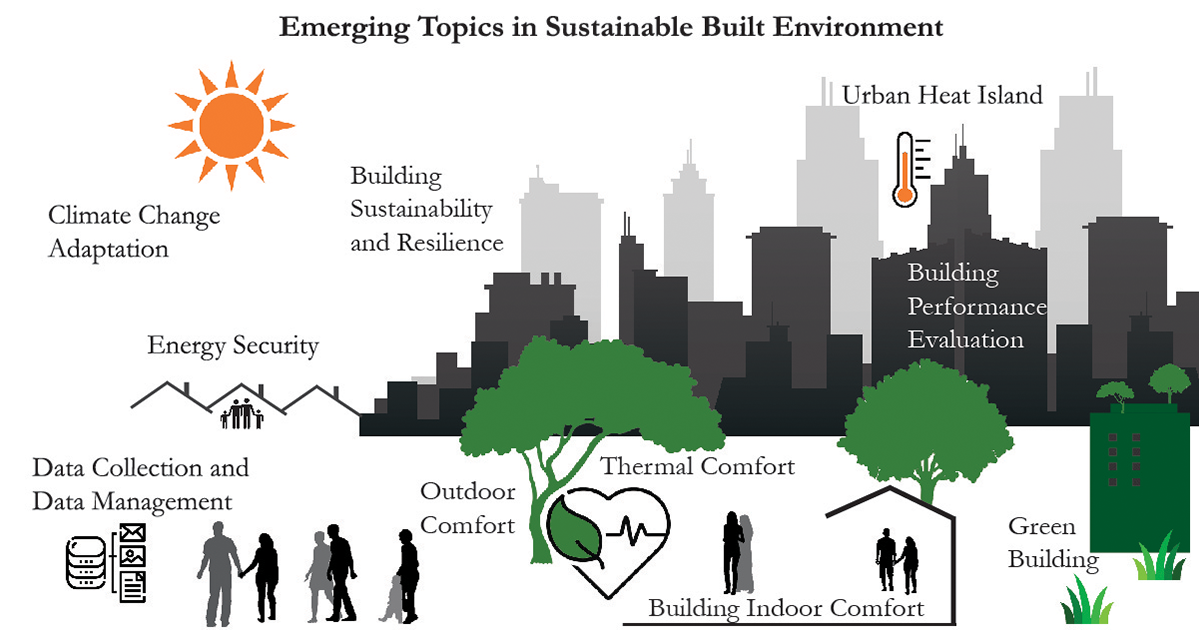

Cities often talk about going green, but the way they approach it can make the difference between genuine progress and a box-ticking exercise. Retrofitting an entire district to meet environmental goals is costly and rarely works as well as planned. In Thailand, the smarter approach is designing a sustainable city from the ground up so that efficiency, comfort, and resilience are part of the plan, not an afterthought.
Think about the difference between installing solar panels during construction and trying to fit them onto a decades-old building. One is straightforward and cost-effective. The other usually means structural compromises, higher expenses, and limited results. The same principle applies to almost every aspect of urban sustainability.
The Problem with “Add-On” Thinking
When eco-friendly features are added after a project is finished, they often need to work around existing layouts that weren’t designed for them. That can lead to awkward designs, wasted space, or systems that don’t perform at their full potential. For example, adding water collection tanks without integrating them into the original plumbing can create maintenance headaches and limit their use.
Planning with Climate in Mind
Designing with the local environment in mind allows cities to reduce problems before they start. In Bangkok’s tropical heat, building orientation can reduce the need for air conditioning by maximizing shade and airflow. Stormwater management can be built into streets and public spaces instead of being patched in after flooding becomes a problem. These choices work better when they are part of the first blueprint.
Everyday Sustainability
Not every solution needs advanced technology. Small design choices, like positioning trees to block afternoon sun or using materials that stay cool underfoot, can have a big impact. Planners can also create public spaces that encourage walking and cycling by making routes comfortable, shaded, and direct — cutting down car trips and emissions naturally.
Avoiding Wasted Opportunities
Once a city is built, changing it is hard. Streets may be too narrow for bike lanes, rooftops too steep for solar panels, or neighborhoods too disconnected for efficient public transport. Early planning prevents these missed opportunities. A city that thinks about sustainability only after the fact spends more money for less benefit.
A Shared Responsibility
While urban planning sets the stage, communities also play a role. Spaces can be designed to make sustainable choices easier for residents — from visible recycling points to easy access to public transit. When the right infrastructure is in place from the start, people are more likely to use it.
Looking Forward
Building sustainability into a city’s DNA means fewer expensive fixes later, more comfortable living conditions, and better resilience to climate challenges. For Thailand, where urban growth is rapid, getting it right from the start is the most efficient path to long-term success.
Comments are closed.