
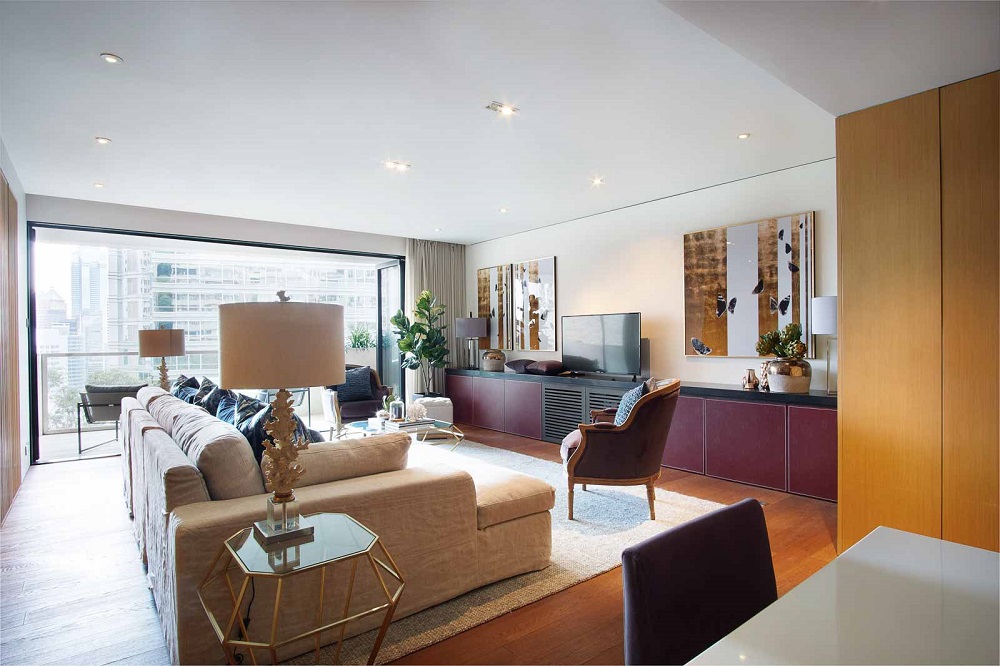

A house is a physical structure composed of wood, concrete, and steel, but a home is an active environment designed to support the psychological, social, and physical needs of its inhabitants. In the modern era, the domestic environment has evolved from a simple place of rest into a multi-functional hub where individuals work, exercise, learn, and socialize. This shift requires a more deliberate approach to residential management, spatial design, and preventative maintenance.
Creating a high-functioning home is an exercise in balancing aesthetics with utility. By applying engineering principles to home maintenance, optimizing spatial layouts for daily workflows, and curating interior elements that promote well-being, you can transform your living space into an asset that actively enhances your quality of life.
Spatial Optimization and the Psychology of Layout
The layout of a home dictates how people move through space, interact with one another, and perform daily tasks. Poor spatial planning creates friction, accumulates clutter, and increases domestic stress.
The Flow of Traffic and Spatial Zoning
A well-designed home relies on distinct zones dedicated to specific activities: public zones for socializing, private zones for rest, and work zones for productivity. The pathways between these zones must remain unobstructed. When arranging furniture, ensure there is a clear, continuous path of at least three feet for major walkways.
In shared living spaces, arrange seating to encourage conversation without blocking access to doorways, windows, or storage units. For multi-functional rooms, use physical markers like area rugs, floating shelving units, or strategic lighting variations to visually separate a home office from a relaxation area.
Maximizing Vertical Space for Clutter Control
Clutter is more than a visual annoyance; it creates a continuous baseline of cognitive overload. When a home runs out of horizontal surface space, look to the walls.
Utilizing vertical space keeps essential items off countertops and floors, expanding the perceived volume of a room. Installing floor-to-ceiling shelving, utilizing over-the-door organizational systems, and mounting functional items like bicycles or kitchen cookware directly to wall studs are highly effective methods for expanding storage capacity in smaller floor plans.
Managing the Indoor Microbiome and Environmental Quality
The quality of the air, light, and water inside a house plays an immediate role in the long-term health of its residents. Modern homes are built to be highly airtight for energy efficiency, which can inadvertently trap contaminants indoors.
Mastering Indoor Air Exchange
Indoor air can be significantly more polluted than outdoor air due to the off-gassing of synthetic building materials, cooking byproducts, pet dander, and volatile organic compounds from cleaning agents. To maintain pristine air quality, prioritize mechanical and natural ventilation.
-
High-Efficiency Particulate Air Filters: Utilize standalone air purifiers or upgrade central HVAC filters to a MERV rating of at least 11 to capture fine airborne particles, dust mites, and pollen.
-
Source Ventilation: Always run the kitchen range hood while cooking to evacuate moisture, nitrogen dioxide, and carbon monoxide. Similarly, operate the bathroom exhaust fan during and for twenty minutes after a shower to mitigate the humidity that drives mold growth.
-
Cross-Ventilation: On days with favorable outdoor air quality, open windows on opposite sides of the house to create a pressure differential that sweeps stagnant air out of the building envelope.
Acoustic Control for Mental Peace
Sound insulation is an frequently neglected aspect of residential comfort. Chronic exposure to ambient neighborhood noise, mechanical hums, or internal echoes raises cortisol levels.
To dampen sound transmission, incorporate soft, porous materials into the interior design. Heavy drapes, plush area rugs with thick underlying pads, fabric wall panels, and solid-core interior doors can absorb sound waves and prevent acoustic leakage between bedrooms and active living zones.
The Preventative Maintenance Blueprint
Waiting for a component of a home to break before addressing it is an expensive and stressful approach to property management. Implementing a seasonal maintenance calendar preserves building integrity and protects financial equity.
Foundation and Envelope Integrity
The primary purpose of a home envelope is to shed water away from the structural framing. Water intrusion is the single most destructive element a house can face.
-
Gutter Maintenance: Clean gutters at least twice a year to prevent blockages. When water overflows a clogged gutter, it pools directly at the base of the house, oversaturating the soil and risking foundation cracks or basement flooding.
-
Downspout Extensions: Ensure all downspouts terminate at least five feet away from the foundation wall, directing water toward a natural slope or a dedicated drainage area.
-
Siding and Caulk Inspections: Annually inspect the exterior perimeter where different building materials meet, such as around window frames and door trims. Replace degraded exterior caulk to seal out moisture and insects.
HVAC System Efficiency
Heating and cooling systems consume the largest percentage of a home utility budget. Routine care ensures these mechanical units operate at peak thermodynamic efficiency.
-
Filter Replacements: Check HVAC filters every thirty to ninety days, depending on the presence of pets and local air particulate levels. A dirty filter restricts airflow, forcing the system to run longer and hotter, accelerating mechanical wear.
-
Condenser Clearance: Keep the outdoor AC condenser unit free of leaves, overgrown brush, and debris. The unit needs unhindered airflow to expel the heat extracted from the interior of the home.
Illumination and Circadian Alignment
Lighting design should never be an afterthought, as it heavily influences sleep quality, focus, and emotional mood. A sophisticated lighting scheme employs a layered technique.
Layering Light for Functionality
Relying on a single overhead light fixture per room creates harsh shadows and a clinical atmosphere. Instead, combine three specific layers of light: ambient, task, and accent lighting. Ambient light provides general illumination, typically achieved through recessed ceiling cans or large flush mounts. Task lighting offers focused illumination for specific activities, such as under-cabinet LED strips in the kitchen or a dedicated reading lamp by a desk. Accent lighting adds depth by drawing attention to architectural features or artwork.
Color Temperature and Human Biology
Light bulbs are rated on the Kelvin scale, which determines whether the emitted light appears warm or cool. Daytime living zones and home workspaces benefit from cool, energized light between 4000K and 5000K, which mimics daylight and increases alertness.
Conversely, bedrooms and evening relaxation areas should utilize warm light between 2700K and 3000K. Warm light lacks the blue wavelengths that suppress melatonin production, allowing the brain to transition naturally into sleep mode.
Frequently Asked Questions
What are the earliest warning signs that a home foundation may be settling unevenly?
Early indicators of foundation movement include interior doors that suddenly stick or refuse to close properly, diagonal cracks appearing in drywall above door frames or window corners, and baseboards pulling away from the floorboards. On the exterior, check for stair-step cracks running through brick mortar or a visible tilting of chimney structures.
How often should a home water heater be flushed, and why is this process necessary?
A water heater should be drained and flushed once a year to remove accumulated mineral sediment, such as calcium and lime, that precipitates out of the municipal or well water supply. If left unmanaged, this sediment forms a thick layer at the bottom of the tank, insulation-blocking the heating element, reducing energy efficiency, creating a popping noise during heating cycles, and eventually causing the bottom of the tank to overheat and fail.
What is the distinction between a load-bearing wall and a non-load-bearing partition wall?
A load-bearing wall supports the structural weight of the building elements above it, such as the roof, attic framing, or upper floors, transferring that weight down to the foundation. A non-load-bearing partition wall serves solely to divide interior spaces and carries no structural weight. Removing or altering a load-bearing wall without installing a properly engineered header beam can result in immediate structural sagging or total roof collapse.
How can a homeowner locate the main water shut-off valve during an emergency?
The main water shut-off valve is typically located near the perimeter of the house where the main water line enters the structure. In colder climates, it is often found in the basement or utility crawlspace near the water meter. In warmer climates, it may be located in an exterior valve box recessed into the ground near the street curb. Every member of the household should know its location and how to operate it, whether it is a gate valve or a ball valve, to stop catastrophic water damage during a pipe burst.
What causes ghosting on interior walls and ceilings, and how can it be stopped?
Ghosting refers to the appearance of dark, soot-like parallel lines on interior walls or ceilings, mapping the exact location of the underlying framing studs or drywall fasteners. This occurs when airborne particles, such as dust, soot from candles, or cooking oils, become statically charged and adhere to cold spots on the wall surface. These cold spots exist because wood studs have a lower insulation value than the surrounding insulation cavities, creating thermal bridging. Stopping ghosting requires reducing indoor particulate sources, upgrading home insulation, and controlling indoor humidity.
Why do some rooms in a house feel significantly colder or warmer than the rest?
Temperature imbalances are usually the result of unbalanced ductwork, inadequate insulation, or air leakage. Rooms located far from the central HVAC unit suffer from static pressure loss, meaning less air reaches them. Additionally, rooms with large expanses of west-facing windows absorb immense radiant heat in the afternoon. Balancing the system involves adjusting the dampeners within the duct branches, sealing leaky window casings, and verifying that attic insulation is distributed evenly across the ceiling joists.
Comments are closed.